


Weitzel Op-Ed: Politicians in Uniform: Detroit’s Police Leadership Betrays Its Own
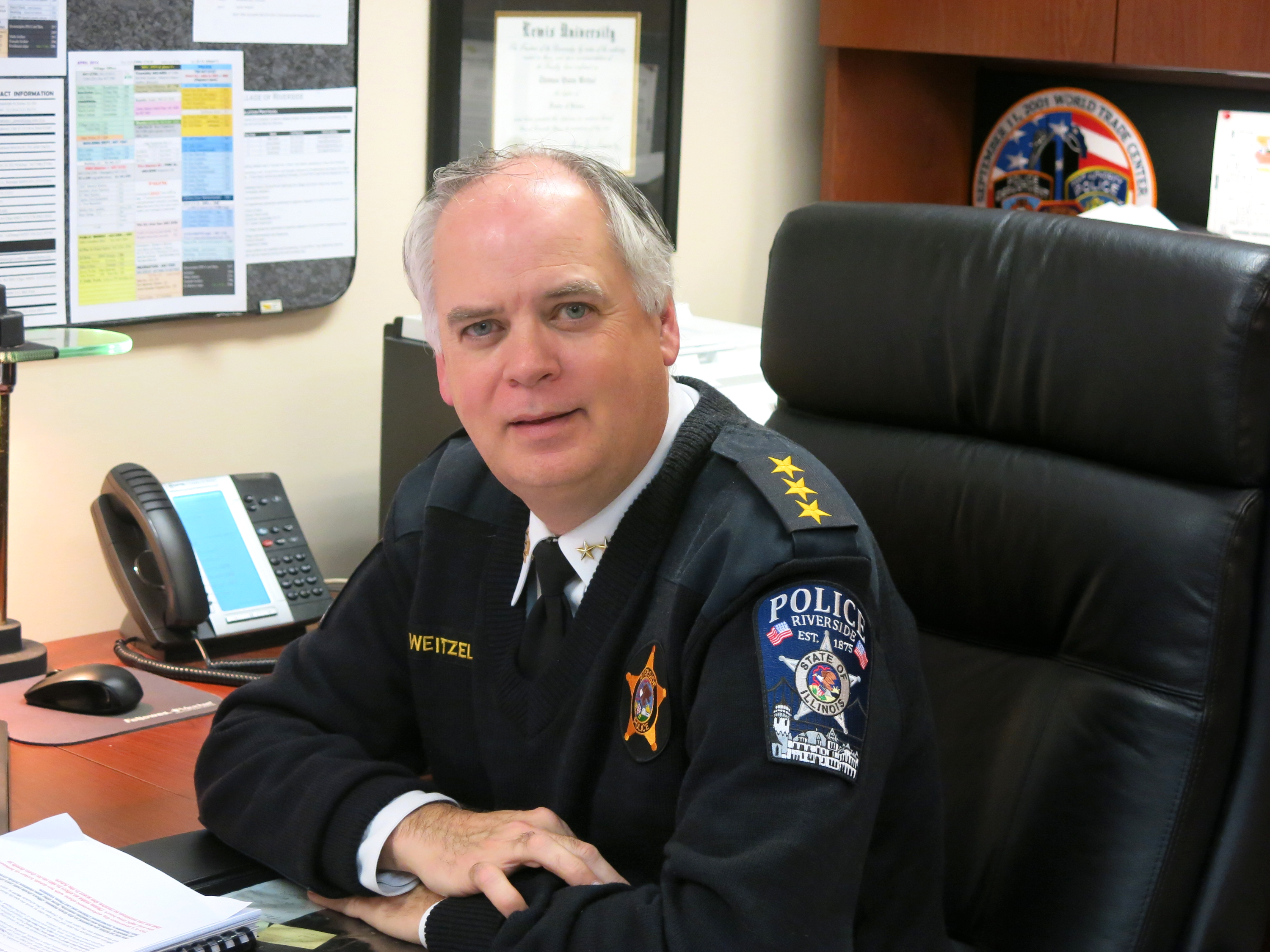

By Chief Tom Weitzel (Ret.)
There are moments in law enforcement when a decision transcends routine discipline—it becomes a declaration of what leadership truly values. This is one of those moments.
Detroit Police Chief Todd Bettison initially announced his intent to terminate two officers for contacting U.S. Customs and Border Protection (CBP) during separate traffic stops. Let that sink in: officers reached out to a legitimate federal law enforcement partner, and they faced the loss of their careers over it. (The chief later concurred with a Board of Police Commissioners decision for 30-day unpaid suspensions instead of pursuing terminations, but the initial stance—and the underlying policy—speaks volumes.)

What happened here is wrong. Full stop.
This is not a matter of policy nuance or a minor technical violation. It is a fundamental failure of leadership. By punishing officers for lawful cooperation with federal partners, the chief substituted political optics for operational integrity. He sent a clear message to his force: doing the right thing—the professional thing—can end your career. That is not leadership. That is the politicization of public safety.
We have reached a dangerous crossroads in American policing.
When did collaboration between legitimate law enforcement agencies become a fireable offense? When did contacting federal partners during a lawful stop become professional misconduct worthy of severe discipline?
I have written before about leadership, courage, accountability, and standing firm under pressure. But this moment stands apart.
The national rhetoric against policing—and against agencies like ICE and CBP—has escalated beyond policy disagreement into cultural hostility and political theater. It has real consequences.
When leaders publicly distance themselves from federal partners to align with prevailing narratives, they may think they are protecting their cities. In reality, they endanger officers and undermine public safety. Assaults rise. Batteries rise. Targeting and doxing increase. Officers become symbols rather than human beings. Their families become collateral damage. The line between criticism and incitement grows dangerously thin.
Words matter—especially from those wearing stars on their collars. So I ask police leaders plainly: What are you doing? Are you leading—or auditioning?
Are you calculating your next appointed role, retirement landing spot, high-paying private-sector job, or future political run backed by the very class whose rhetoric undermines your own officers?
If that is the calculus, understand the cost: You are gutting an entire profession.
True leadership in policing is not about managing headlines or securing the next opportunity. It is about standing between political pressure and the officers who serve under you. It is about absorbing the heat so your people can do their jobs without fear of political retribution.
"If chiefs become politicians first and leaders second—or choose not to lead at all—they are not merely failing their agencies; they are surrendering the profession itself." -Chief Tom Weitzel, Ret.
That surrender breeds hesitation. Hesitation breeds vulnerability. And vulnerability in policing gets people hurt.

Law enforcement operates as a system. Local, state, and federal agencies coordinate daily on violent crime, human trafficking, organized networks, and fugitive apprehension. Singling out immigration-related contact as a career-ending offense injects politics directly into operational decisions.
Once politics overrides professional judgment, public safety becomes secondary.
This is a watershed moment.
If unchallenged, such actions will embolden political bodies to dictate boundaries that belong to trained professionals. They will fracture interagency trust, weaken morale, and teach the next generation of officers that leadership support is conditional on the political climate.
This is bigger than one city, one chief, or one policy. It is about whether law enforcement leadership remains rooted in principle or drifts into political compliance.
The profession does not need more politicians wearing badges of rank. It needs leaders willing to stand firm when it is unpopular, defend lawful action when it is controversial, and protect their officers when it is inconvenient.
Once leadership surrenders, rebuilding what is lost will take far more than a press conference.
The views expressed in this article are solely my own and do not necessarily reflect the official policy or position of any organization, employer, or company I have worked for. My current advocacy and commentary are independent and reflect my personal experiences and beliefs.

About Tom Weitzel, Awake Illinois Fellow of Law Enforcement: Tom Weitzel retired from the Riverside, Illinois, Police Department in May 2021 after 37 years in law enforcement, including 13 years as Chief of Police. The opinions expressed are his own. He can be reached at tqweitzel@outlook.com and followed on X at @chiefweitzel.


Comments